
PECS
Explaining PECS (Picture Exchange Communication Systems).

Angela Armstrong
What do you think about when you think of communication?
While we may assume it’s verbal or textual, it can also be done through a variety of different modes. Some communicate via email exchange or text; others communicate verbally in-person or by phone and for some they use devices to articulate their correspondence.
Through ABA, we take the time to assess the needs of the client and the way in which they can best communicate their message to the outward world. Options are selected based on the learners age, skill set, and preference of parents. This may mean for some, using ASL or an SGD, but for others it may mean starting with those initial exchanges or “mands” as we call them. We do this through the usage of PECS (Picture Exchange Communication Systems).
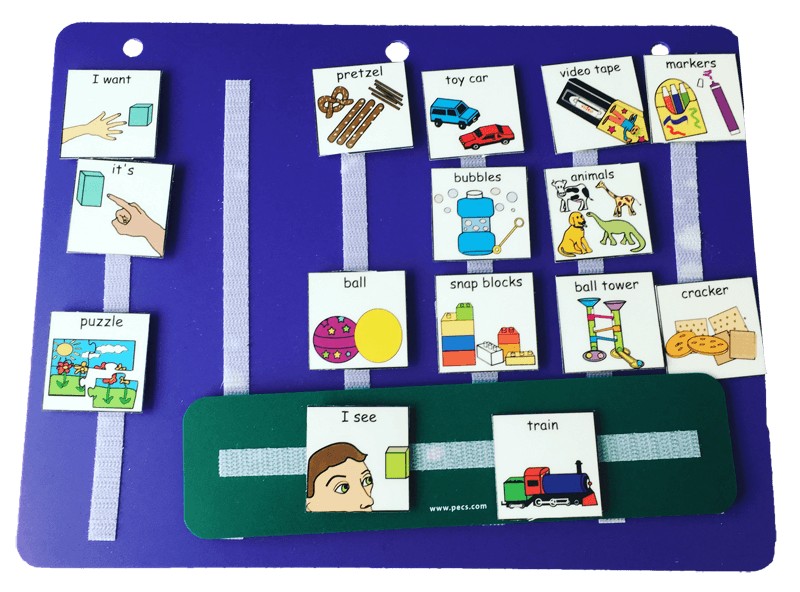
PECS are visual aids that help prompt communication of our needs, wants and connections to other people. It is shaped through reinforcement to help create functional communication opportunities between the learner and another person. PECS moves through phases and each phase provides a more complex exchange opportunity and works to lengthen our requests (1-word to sentence format).
Imagine you can’t say the words you needed to, or access the items you preferred at that moment? Frustration may be a natural consequence of the inability to converse with another. PECS are a way to shape language, acquire skill to obtain items and connect with people in a way to form understanding of receptive and expressive language. PECS can replace maladaptive behaviours and create functional opportunities that are motivating and reinforcing.
Happy Holidays 2024
The GRAS Team celebrates another amazing year!
Picky Eating
Picky eating is more than just refusing foods—it can involve sensory sensitivities, anxiety, and habits. Learn how tailored strategies, gradual exposure, and collaborative support can help children explore new foods confidently and enjoy mealtimes.